
Blog
Boiler service checklist — what Gas Safe engineers check
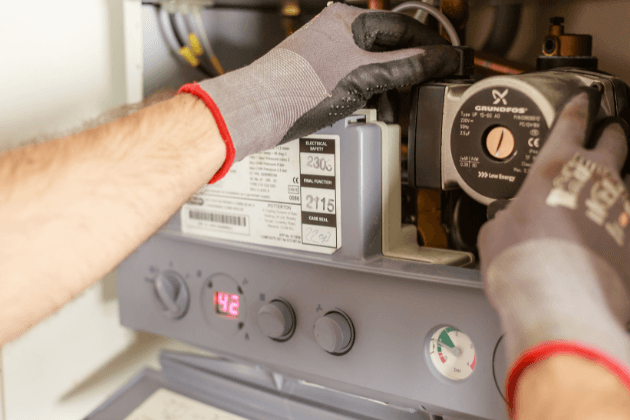
Boiler service checklist: what an engineer should check
Knowing what a proper boiler service includes helps you protect your home and avoid unexpected breakdowns. This boiler service checklist explains the core checks a Gas Safe registered engineer will carry out, so you can be confident your boiler is safe, efficient and less likely to fail when you need it most.
What a professional annual boiler service should achieve
A thorough annual service does more than preserve a warranty. The aim is to confirm the boiler is operating safely, burning fuel correctly and not under avoidable strain. A competent engineer will look for early signs of trouble — pressure issues, slow leaks, faulty components or combustion problems — so faults can be fixed before they develop into a costly breakdown. Regular servicing can also improve efficiency and help extend the life of the appliance.
Boiler service checklist: core checks to expect
Exact tasks vary by make and model, but the following checks form the backbone of most annual services. If anything unusual is found, your engineer should explain the issue and recommend next steps.
- Visual inspection — look over the boiler, surrounding pipework and installation for damage, leaks, corrosion or signs of overheating.
- Flue and combustion checks — ensure combustion products are vented safely and the boiler is burning fuel correctly.
- Internal component inspection — where permitted by the manufacturer, inspect the burner, heat exchanger and ignition system for wear or soot.
- Seals and condensate — check gaskets and seals for deterioration and inspect condensate traps and pipework on condensing boilers.
- Pressure and expansion vessel — confirm system pressure and assess the expansion vessel for correct charge and function.
- Controls and safety devices — test thermostats, programmers and safety cut-outs such as pressure relief valves and flame detection.
- Documentation — complete a service record with readings, parts replaced and any recommendations for future attention.
Visual inspection and basic safety checks
Services usually begin with a thorough visual inspection. The engineer will check for water stains, rust, scorch marks or signs of previous leaks that may point to hidden faults. They will also confirm the boiler is mounted and installed correctly, that there is adequate access for maintenance and ventilation, and that there is no unsafe DIY work or tampering.
Flue, combustion and ventilation
The flue is a critical safety component because it removes combustion products from the home. Engineers will check the flue for damage, support and visible blockages. A flue gas analyser is commonly used to measure combustion gases and verify the boiler is burning fuel safely and efficiently. Ventilation is checked to ensure any required vents are unobstructed and cupboards or boxing provide the airflow specified by the manufacturer.
Internal components, seals and condensate management
When permitted by the boiler manufacturer, the engineer may remove the casing to inspect internal components. They will look for soot, corrosion or signs of wear on the burner, heat exchanger and ignition assembly. Seals and gaskets are inspected and replaced if necessary to prevent combustion products escaping into the room.
For modern condensing boilers, the condensate trap and discharge pipework are reviewed and cleaned if needed. The engineer will check the condensate route is correctly installed, not blocked or at risk of freezing, and is discharging as intended.
Pressure checks and the expansion vessel
Correct system pressure is essential to circulate hot water around your radiators effectively. The engineer will read the pressure gauge and top up the system if required to the level recommended by the manufacturer. They will also assess the expansion vessel, which absorbs changes in water volume as it heats and cools. A vessel that has lost its charge can cause pressure fluctuations, repeated topping up and premature wear on the boiler.
Controls, thermostat and safety device tests
A full service includes checking controls and thermostats so the boiler responds correctly to room thermostats, timers and smart controls where fitted. Key safety devices — pressure relief valves, overheat protection and flame detection systems — will be tested to ensure they operate correctly, acting as essential backstops if a fault occurs.
Documentation, service records and why they matter
At the end of the visit the engineer should complete a service record or logbook with readings, parts replaced and any advisories. This paperwork demonstrates proper maintenance, supports warranty requirements and provides reassurance to future buyers if you sell the property.
Preparing your home for a boiler service
A little preparation helps the visit run smoothly and reduces time on site:
- Ensure clear access to the boiler, controls and any associated cupboards.
- Note any issues you’ve noticed — unusual noises, pressure drops or error codes — and pass these to the engineer.
- Have the boiler manual or any previous service documents available if possible.
- Clear items from around the boiler if it’s in a tight cupboard and keep pets in another room while work is in progress.
How regular servicing prevents breakdowns and improves efficiency
Many major faults begin as small, easily fixed issues: slow leaks, partial blockages or minor pressure problems. An annual service gives an engineer the chance to catch these early and advise on repairs before they lead to a failure. Keeping the boiler clean, correctly set up and operating within its design limits also helps maintain efficiency and reduce wear on components.
Arrange your boiler service
If your service is due, it’s sensible to book ahead of the colder months so your heating and hot water are ready when needed. Find out about our service options on our boiler service plans page or use our online booking page to arrange a convenient appointment with a Gas Safe registered engineer.
View our boiler service plans | Book your boiler service
For enquiries you can also contact MBW Plumbing & Heating by phone. Our engineers can explain the checks they will carry out and offer a clear quote tailored to your boiler make and installation.
For further reading on why annual servicing matters, see our article on why annual boiler servicing is essential.
Other Articles


